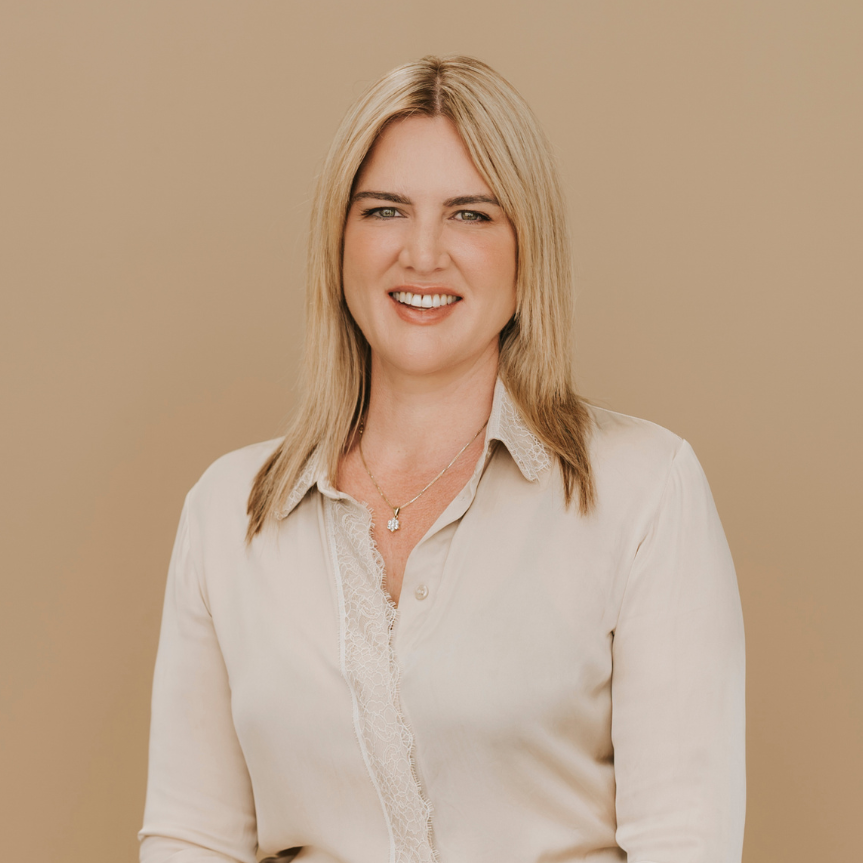
Aesthetic medicine is evolving fast. Juv'ae nurse Nicolette Gabriel reports back from IMCAS World Congress 2025 with key clinical insights on GLP-1, menopause, PLLA and the future of skin health.

Nicolette Gabriel (Guest Author)
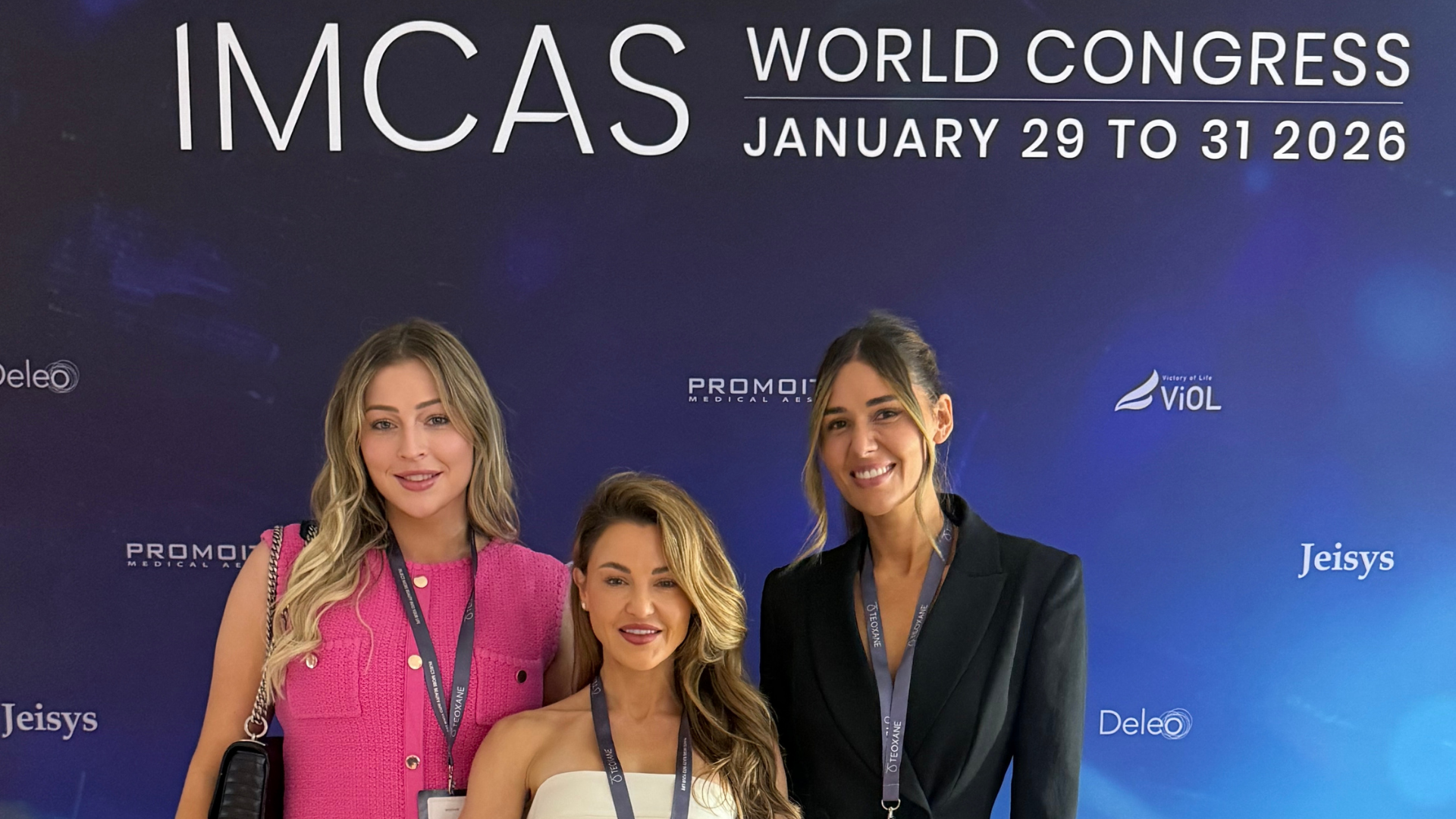
Earlier this year I had the privilege of travelling to Europe through a Juv'ae-supported education initiative, for an incredible week of aesthetic nurse education and clinical exposure.
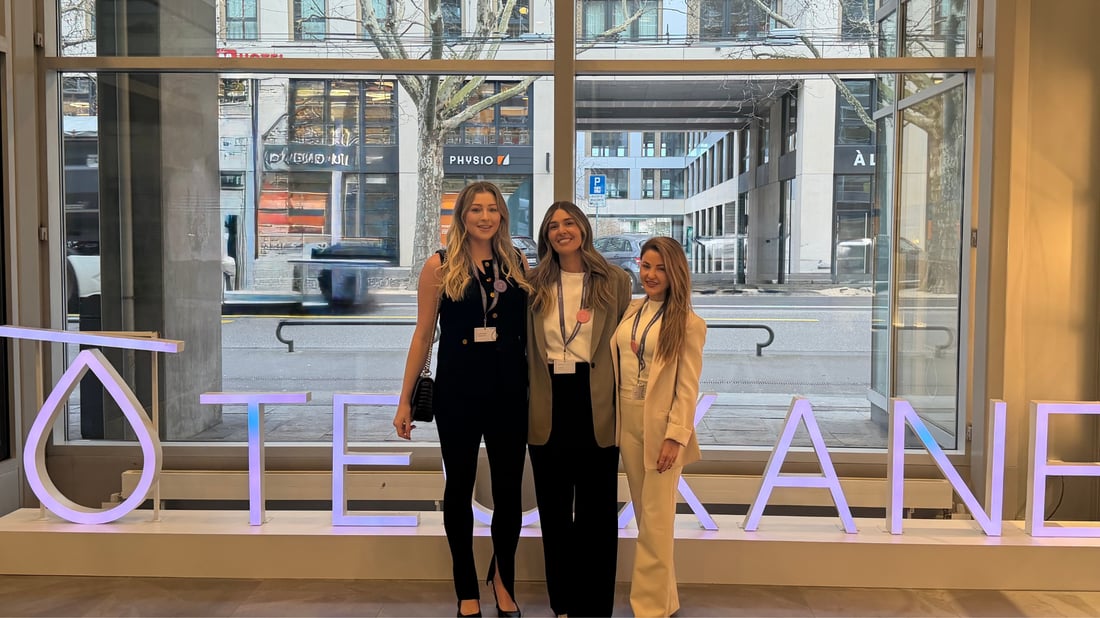
The journey began in Geneva, Switzerland, at Teoxane Global Head Office. During our time there, we completed a day of education with Dr Philippe Snozzi, met with all members of the Teoxane Faculty, and toured the manufacturing facilities - learning directly from the scientists responsible for the development and production of the dermal fillers.
From Geneva, we travelled to Paris to attend IMCAS World Congress - one of the largest global meetings in aesthetic medicine, where leading practitioners and researchers share the latest developments in aesthetic science, regenerative medicine and longevity. At IMCAS, Teoxane also launched their new technique, "BabyGlow," which focuses on subtle skin quality enhancement through targeted, superficial hyaluronic acid placement to improve hydration, luminosity and overall skin texture.
Following this, I travelled to London where I attended the Future Patient Conference and Menopause in Practice Conference, before spending a day shadowing Teoxane KOL and Oculoplastic Surgeon Dr Tahera Bhojani-Lynch in clinic, observing advanced injectable techniques and consultation approaches.
The experience overall was an extraordinary reminder of how rapidly aesthetic medicine continues to evolve - particularly at the intersection of metabolic health, longevity and aesthetic treatments. Since returning to practice, I have already found these learnings translating into more structured consultations, improved patient understanding and stronger treatment planning.
It also highlighted how underutilised hyaluronic acid may be as a regenerative ingredient - something many of us have used for years primarily for volumisation, yet its broader role in skin quality and tissue support is becoming increasingly appreciated.
One particularly reassuring takeaway was seeing how progressive the Australian aesthetic industry already is. Due to our intense environmental factors - particularly sun exposure and UV damage - Australian practitioners have long adopted a full-face, structural approach to treatment rather than focusing on isolated areas. It was encouraging to observe international KOLs demonstrating techniques that many Australian injectors have been utilising for years, reinforcing how advanced and thoughtful our approach to aesthetic medicine has become.
Below are some of the key insights and clinical reflections I brought back to Australia.
Aesthetic Medicine Is Moving Toward Longevity Medicine
A major theme across IMCAS was the growing convergence between metabolic medicine, longevity science and aesthetics. One of the most discussed topics was the rise of GLP-1 medications, widely described at the conference as among the most significant disruptions in modern medicine in recent decades.
While these medications have been transformative for metabolic disease and weight management, the aesthetic implications are becoming increasingly recognised. Rapid weight loss - particularly from superficial fat pads - can result in:
-
Facial deflation
-
Increased skin laxity
-
Hollowing of the midface and temples
-
Reduced dermal support
-
Accelerated visible ageing
This phenomenon has become widely referred to in popular media as "Ozempic face."
What was particularly interesting from a dermatologic perspective is the growing research around Dermal White Adipose Tissue (DWAT). DWAT is now understood to be far more than structural fat - it is a dynamic immune-endocrine regenerative tissue that:
-
Supports the extracellular matrix
-
Communicates with fibroblasts via adipokines and cytokines
-
Influences collagen and elastin production
-
Plays a role in wound healing and immune defence
Rapid loss of this layer can therefore impact skin quality, resilience and regeneration - not just facial volume.
The Additional Variable: Perimenopause and Menopause
Another important discussion point is the overlap between GLP-1 therapy and menopause. Oestrogen plays a key role in maintaining healthy skin, bone and adipose tissue. As oestrogen declines during the menopausal transition, we often see:
-
Reduced dermal thickness
-
Declining collagen production
-
Redistribution and reduction of facial fat
-
Increased transepidermal water loss and skin dryness
-
Accelerated skin ageing
When rapid weight loss occurs on top of these hormonal changes, the impact on dermal structure and adipose signalling may be even more significant. This area remains under-researched - particularly in women experiencing both menopause and GLP-1 therapy simultaneously. It is likely we will see a substantial increase in research over the coming years.
Poly-L-Lactic Acid and the Role of Regenerative Injectables
Another major takeaway from IMCAS was the renewed interest in biostimulatory treatments - particularly poly-L-lactic acid (PLLA). Several speakers presented evidence that PLLA can support dermal and subdermal remodelling, improving:
-
Skin density
-
Collagen synthesis
-
Tissue firmness
-
Indirect volume restoration through ECM support
Importantly, some emerging research discussed at the conference also suggests PLLA may help stimulate adipose tissue regeneration - which may explain why it is increasingly discussed as a treatment option for patients experiencing significant facial deflation. Across multiple presentations, PLLA was frequently referenced as a potential strategy to address the aesthetic changes associated with rapid weight loss.
Observing Advanced Clinical Techniques in London
Spending time observing Dr Tahera Bhojani-Lynch's clinical practice in London was another highlight of the trip. One of the most valuable reminders was how much outcomes depend on small technical details - including patient positioning, tissue tension and product placement.
Some techniques that stood out included:
- Treating pre-auricular hollowing and temple support to subtly improve lower-face sagging
- Using micro-droplet placement of HA in the superficial fat layer to soften shadows without adding bulk
- Assessing deficits with the patient's head tilted downward to reveal structural hollowing
Using micro-support rather than volumisation in naturally slim faces
The overarching philosophy was beautifully summarised as: "Redecorating the room, rather than filling it."
In other words - refining light reflection and tissue support rather than simply adding volume.
Integrating Hormonal Health Into Aesthetic Consultations
The Menopause in Practice conference reinforced how often women's symptoms are misunderstood or dismissed. Many patients present with skin concerns such as:
-
Skin dryness
-
Loss of glow
-
Poor makeup adherence
-
Increased shadowing
-
Jowling or tissue laxity
Yet they may not associate these changes with hormonal transition - particularly if they are not experiencing classic symptoms such as hot flushes. This highlights the importance of recognising the broader health context behind aesthetic changes, and ensuring patients are appropriately supported through collaboration with their GP or specialist when needed.
Final Reflections
This trip was an incredible opportunity to learn from some of the leading voices in aesthetic medicine. The biggest takeaway for me was how strongly the field is shifting toward a whole-system understanding of ageing - where metabolic health, hormonal balance, adipose tissue biology and skin regeneration are all deeply interconnected.
For injenctors, this means our role is evolving beyond simply treating lines and volume loss. Increasingly, we are helping patients navigate the structural, metabolic and hormonal factors that influence how the face ages over time.
I am extremely grateful to Teoxane for the opportunity to visit their global head office and manufacturing facilities, and to Juv'ae for their continued commitment to supporting ongoing education for nurses in our industry. I look forward to continuing to bring these insights back into clinical practice and training here in Australia.
Nicolette Gabriel attended this international education program as part of a Juv'ae-supported education initiative. All clinical reflections and opinions expressed in this post are entirely her own.




.png)

%201.png)